Featured
Table of Contents
- – Generalized Anxiety in Successful Professionals
- – Safe Relationships in the Treatment Relationsh...
- – Attachment and Leadership Styles
- – Reparenting for Professionals Through Therapy...
- – Healing Manager Parts in Healthcare Workers
- – Transformation: Success After Complex Trauma...
- – Essential Factors in a Trauma Specialist Who...
While everyone experiences grief in a different way, identifying the numerous stages of sorrow can aid you prepare for and comprehend some of the reactions you might experience throughout the grieving process. It can also help you know your requirements when grieving and find methods to satisfy them. Recognizing the grieving procedure can ultimately help you pursue acceptance and recovery.
They can likewise assist you accept that your sensations are not uncommon or wrong. You might recognize feelings that a stage defines, and this will aid you know which stage you are in. There is no set means of identifying a stage. Phases can also reoccur, and and earlier phase can return later on.
Despair is a global human experience that touches everyone at some time in life. Whether it's the loss of a loved one, completion of a partnership, an occupation setback, or another substantial modification, grief is the all-natural emotional response to loss. According to the American Psychological Organization, approximately 10-20% of people experience complex griefa relentless kind of intense griefafter shedding a person close to them.
It stands for the intensity of your love and the deepness of your loss. The bargaining stage frequently entails a collection of "what if" and "if only" ideas as you emotionally work out for a various outcome: "So I had taken them to the medical professional quicker ..." "What happens if I had been a better partner/friend/child?" "I assure to be a better person if this pain goes away"A 2020 review in the Journal of Therapy Psychology found that negotiating thoughts took place in about 57% of bereaved individuals, with greater prices amongst those handling abrupt or unforeseen losses.
Generalized Anxiety in Successful Professionals
Approval does not imply you're "over it" or that the discomfort has vanished. Rather, it suggests you're learning to deal with the loss as component of your tale: Changing to a new reality Locating new regimens and patterns Experiencing moments of joy without regret Being able to mention the loss more conveniently Developing significance from your experienceA longitudinal research study published in JAMA Psychiatry discovered that the majority of bereaved individuals reached some level of approval within 6-24 months, though this timeline varies greatly depending upon aspects like connection to the dead and circumstances of fatality.
Everyone experiences grief in different ways. Your experience of pain and how you cope with it will depend on various aspects. These may include your age, previous experiences with pain and your spiritual or religious views.
Safe Relationships in the Treatment Relationship for Healthcare Professionals
Anticipatory grief means sensation depressing before the loss takes place. Instead than grieving for the individual, who is still with you, you may really feel pain for the important things you won't reach do together in the future. When encountering a substantial loss, such as the death of a liked one, it is all-natural to really feel many solid emotions.
People diagnosed with a terminal ailment and those encountering the death of a liked one might experience anticipatory despair., you might experience several emotions including shock, worry and unhappiness.
You regret lost opportunities or experiences you'll miss also small ones, such as the enjoyment of the sunshine or a hot cup of coffee. If a person you love is encountering an incurable ailment, it prevails to experience awaiting pain in the months, weeks and days before death. You may grieve the exact same points your loved one is mourning, or various losses altogether.
Attachment and Leadership Styles
You might really feel awaiting sorrow If your enjoyed one is confused or subconscious for a long period of time (e.g. with ecstasy or dementia). You might really feel that the person you recognized is already gone, even if they are still literally there. If your loved one has a decline in physical health or movement, you could really feel anticipatory sorrow as you shed the chance to share experiences, such as pastimes, vacations or occasions.
This is particularly true if you spend a lot of time looking after the person. You may miss out on tasks you utilized to take pleasure in with each other and really feel sorrow about the adjustment in your connection. The nature of your connection may transform as you take on a carer's duty, or become the one being taken care of.
Reparenting for Professionals Through Therapy in Sacramento
Sensations of sorrow before fatality are normal it's important to identify them, and to chat about them. Experiencing awaiting sorrow doesn't necessarily imply that you will grieve your enjoyed one any type of less after they are gone.
Healing Manager Parts in Healthcare Workers
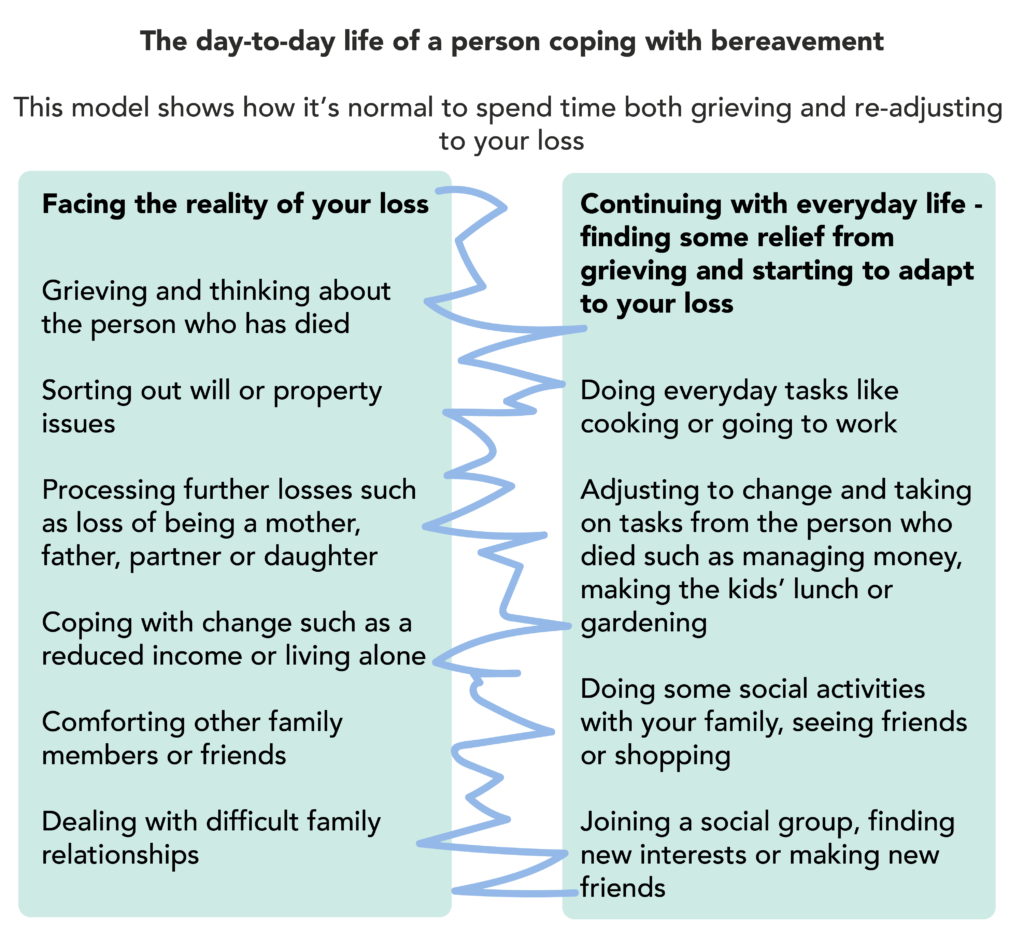
In reality, we do not experience feelings of grief one at a time or in a certain order. You may experience these points due to the fact that they are all typical sensations of sorrow.
Some individuals feel numb after the death of an individual they cared about. If you experience this, it could be due to the fact that it's just also difficult to think that the person you recognize so well is not coming back.
Transformation: Success After Complex Trauma Treatment
Possibly they promise themselves that they will now always do (or otherwise do) something, believing that it might make the individual who has actually died come back. Or possibly they think it will quit any person else passing away or various other negative things occurring. This is often called 'wonderful thinking'. Individuals might also find that they keep going back over the past and ask great deals of 'what if' concerns, desiring that they could go back and change points to ensure that they might have transformed out in a different way.

These feelings can be really extreme and painful, and they may reoccur over lots of months or years. However lots of people find that uncomfortable sensations such as this become less solid in time. If you do not feel this holds true for you, then you should request for assistance.
Her version came to be widely approved as a way to comprehend pain, but in time, pain counsellors and scientists broadened upon it, causing the growth of the. This prolonged model includes extra emotional responses that people may experience: The initial reaction to loss frequently brings shock and shock. This phase serves as a safety device, enabling us to absorb the reality of our loss in manageable dosages.
Essential Factors in a Trauma Specialist Who Works with Healthcare & Medical Professionals Specialists
Feelings of regret or regret might arisewondering if you can have done something in different ways, or sensation sorrow over points left unsaid. Pain can show up as angertoward yourself, others, or even the person that has passed.

Table of Contents
- – Generalized Anxiety in Successful Professionals
- – Safe Relationships in the Treatment Relationsh...
- – Attachment and Leadership Styles
- – Reparenting for Professionals Through Therapy...
- – Healing Manager Parts in Healthcare Workers
- – Transformation: Success After Complex Trauma...
- – Essential Factors in a Trauma Specialist Who...
Latest Posts
Creating Rapport through Multilingual Counseling
Evaluation Process Using Current Standards
Therapy Approaches Through Therapy for Grief and Loss
More
Latest Posts
Creating Rapport through Multilingual Counseling
Evaluation Process Using Current Standards
Therapy Approaches Through Therapy for Grief and Loss